
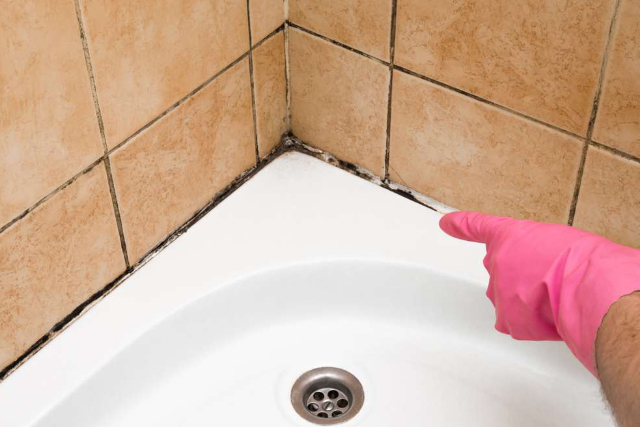
Next, we’ll explain in a very simple way how to replace damaged silicone in the bathroom and kitchen, particularly where silicone tends to turn black due to mold bacteria, which penetrates deep into it, causing decay and unpleasant odors. First, use a silicone remover tool to remove the thicker layer and sanitize the area, exposing a finer layer. Next, apply liquid silicone remover and let it sit for approximately 15-20 minutes to soften the silicone layer, making it easier to remove from the surface.
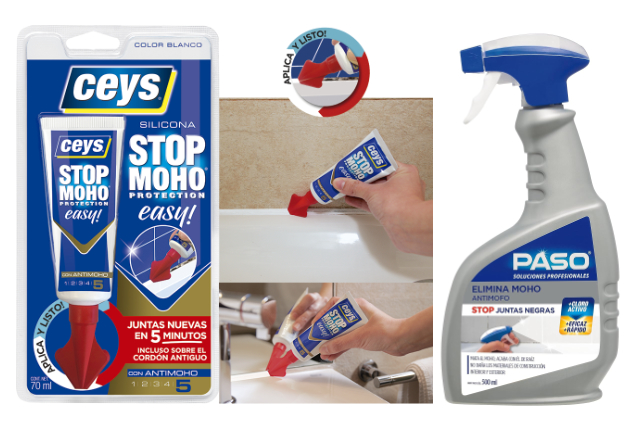
Once the silicone surface is clean, we will proceed to apply a mold-resistant disinfectant spray to sanitize the area and prepare it for the application of new silicone. Choose a Grade 5 mold-resistant silicone, which will resist discoloration approximately five times longer than traditional silicone. These are commonly available in cartridge, blister, and easy-to-apply formats with a silicone smoother, facilitating a smoother finish. For optimal results, apply the silicone bead according to the joint width, ensuring new joints that will last much longer.